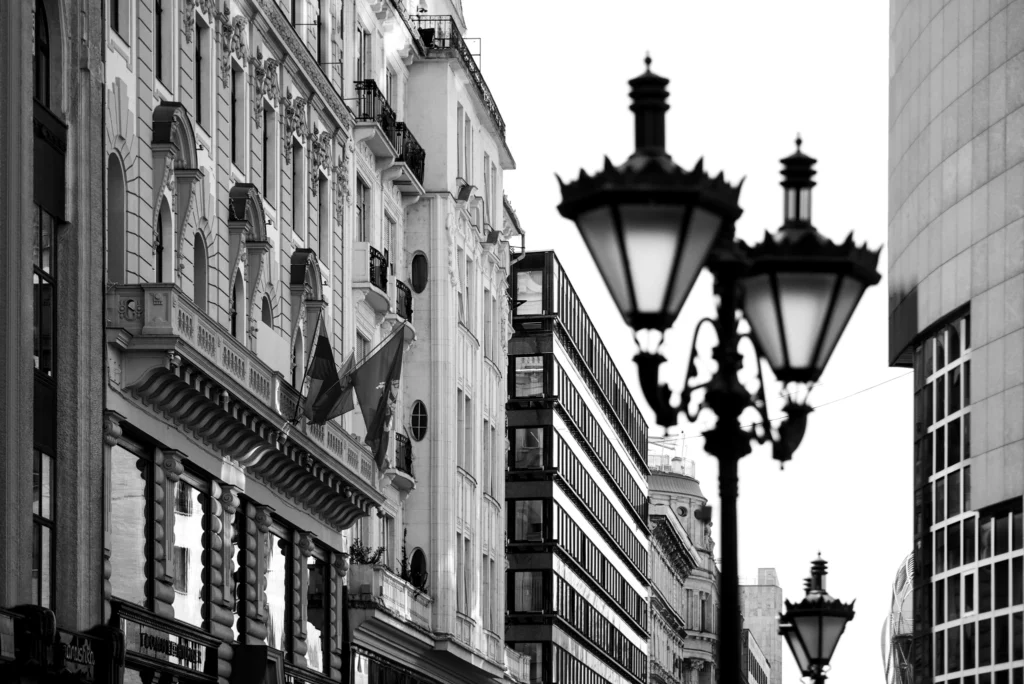
Fashion Street is Budapest’s premier luxury shopping street and Hungary’s most valuable fashion avenue, offering an exceptional experience that combines its rich historic heritage with modern elegance and premium retail.
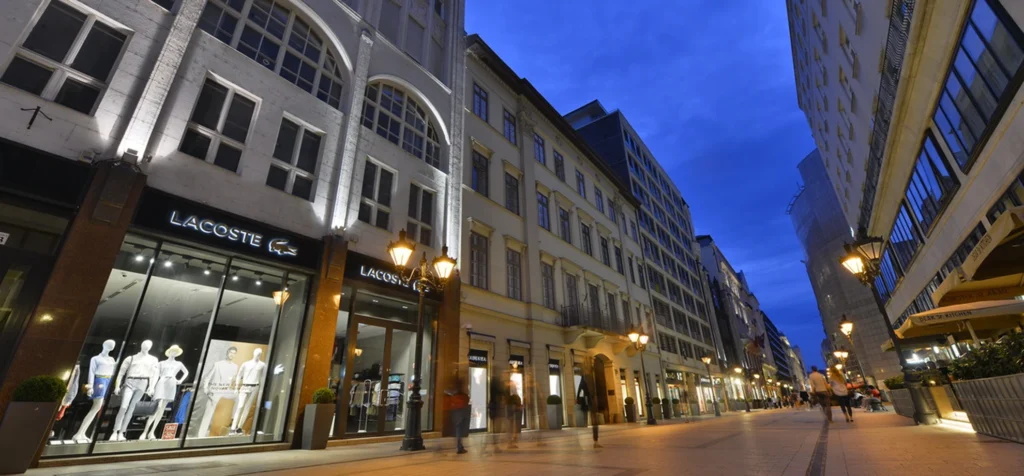
Deák Ferenc Street 23.
Deák Ferenc Street 23.
Years of construction: 1910-1912
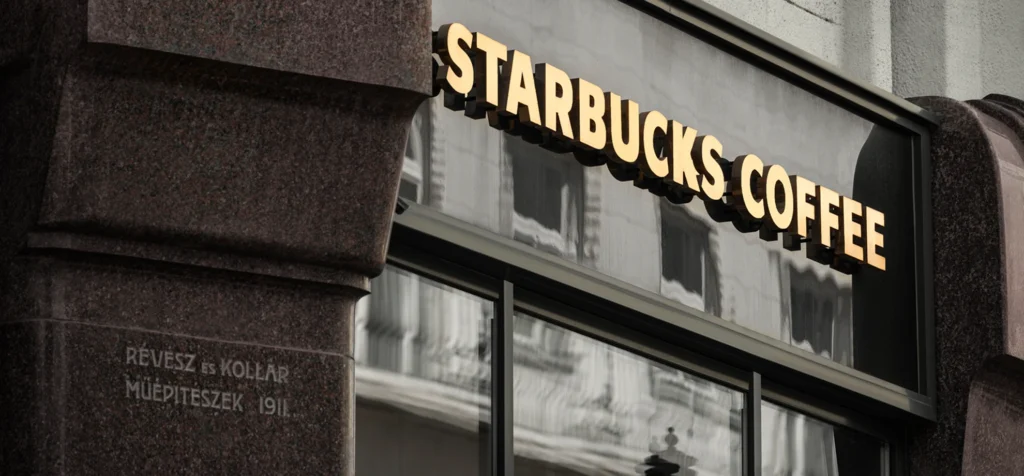
Designed by: Sámuel Révész – József Kollár
Style: Art Nouveau
Current stores: Starbucks, Lindt, Lacoste
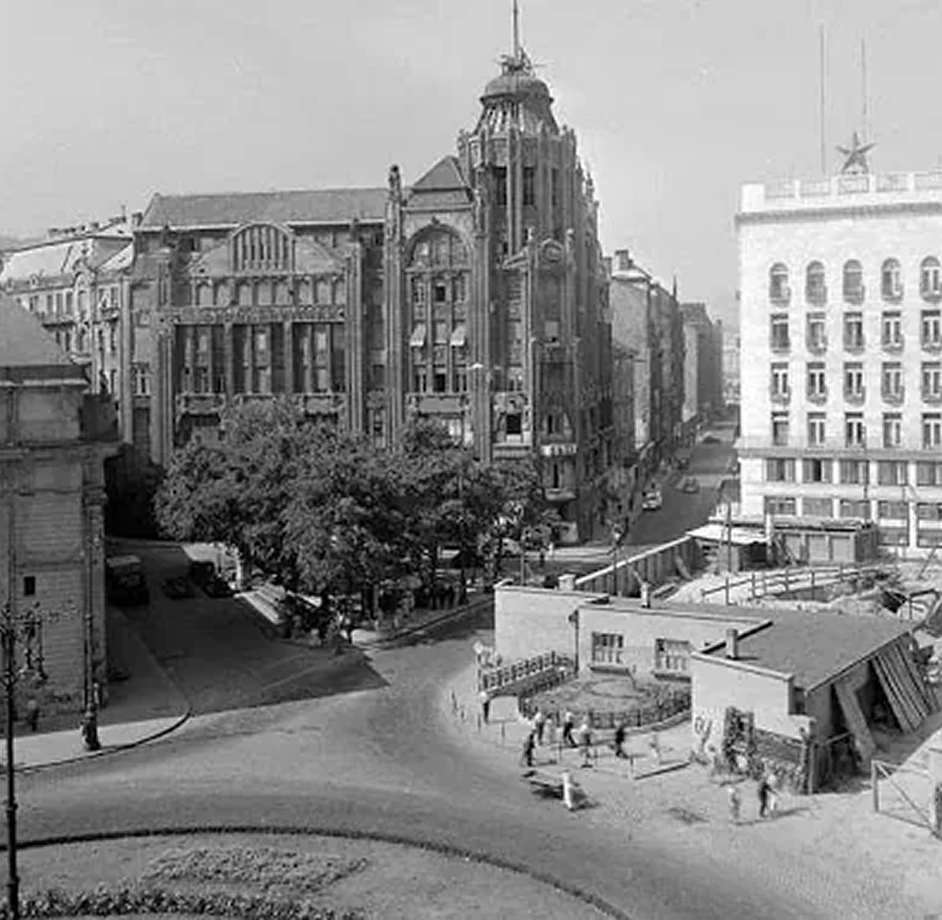
Before
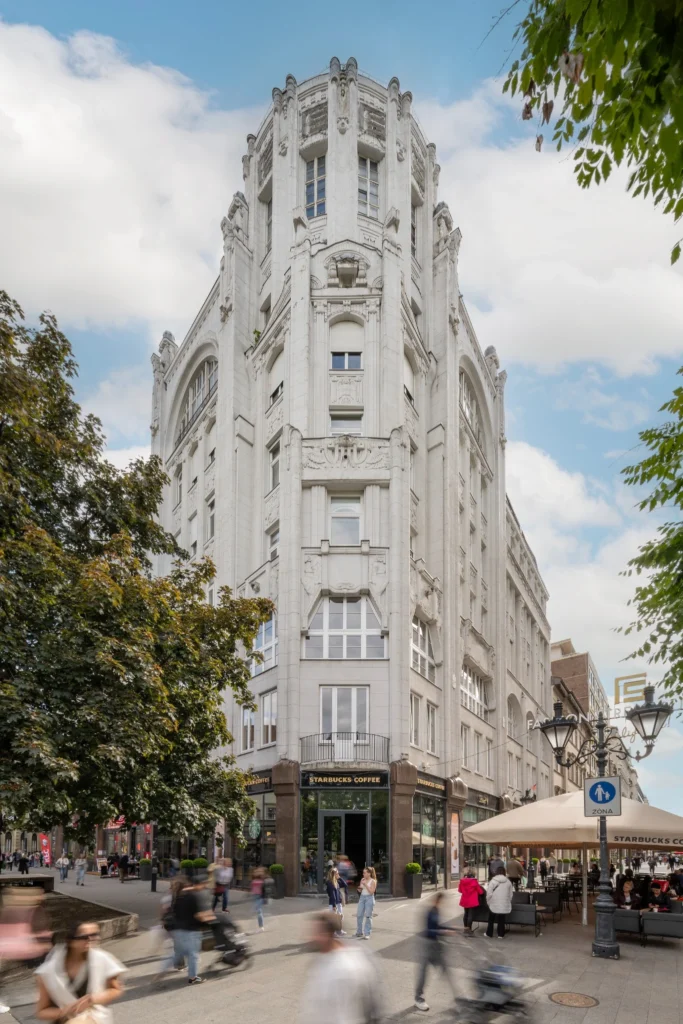
Built by the masters of German Jugendstil facadesthe remarkable corner building is also registered under the address Deák Square 3, the richly ornamented façade and elegant corner design make the building one of the defining architectural highlights of the square. Its position beside one of Budapest’s busiest underground exits has made it, somewhat accidentally, one of the city’s most common meeting points – a place where countless residents and visitors have agreed to “meet at Deák.”
Now
Today, the building hosts renowned premium brands like Lacoste, Lindt and Starbucks, contributing a blend of premium fashion, artisanal confectionery and international café culture to this iconic downtown location.
Deák Ferenc Street 21.
Years of construction: 1845-1846
Designed by: József Hild
Style: classicist
Current stores: IUMAN – Intimissimi Uomo, LUSH
Before
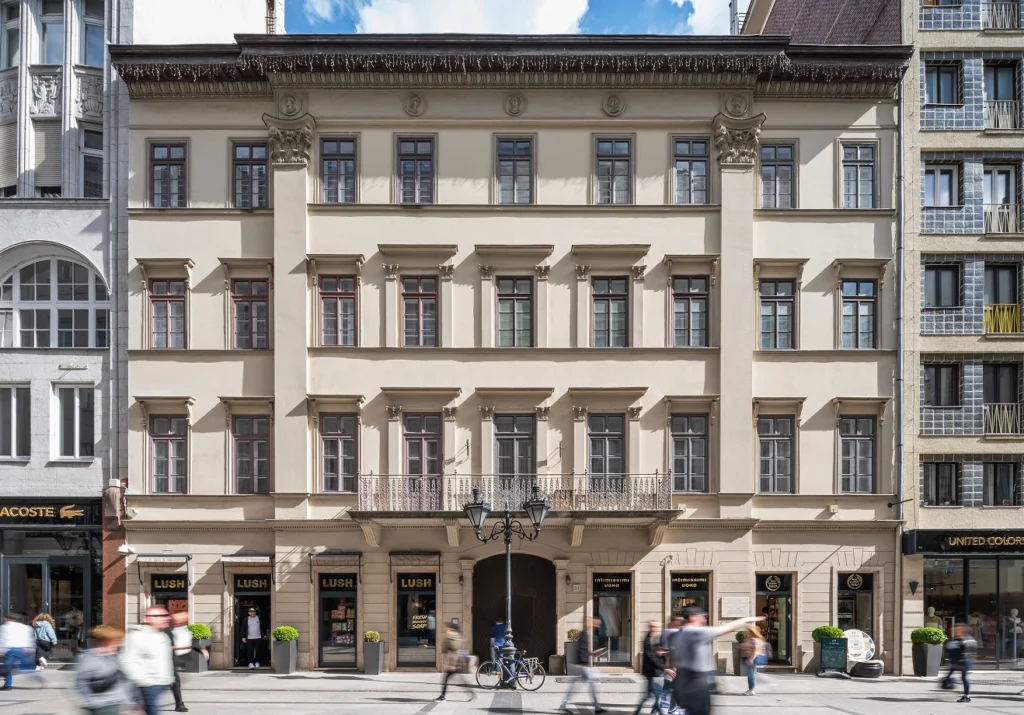
Deák Ferenc street 21.holds the distinction of being both the oldest and the lowest structure on the street. Its refined architectural character reflects the sophistication of its celebrated designer. Constructed during the eventful years leading up to the 1848 Revolution and War of Independence, the building originally featured vaulted ground-floor spaces that housed shops, while residential flats were located above.In the 1800s the building was home to Jakab Marastoni’s painting academy, a significant cultural institution of the period.
Now
The ground floor now hosts Intimissimi Uomo and LUSH with a vibrant mix of heritage of contemporary Italian menswear presenceand signature handmade, ethically produced cosmetic products.
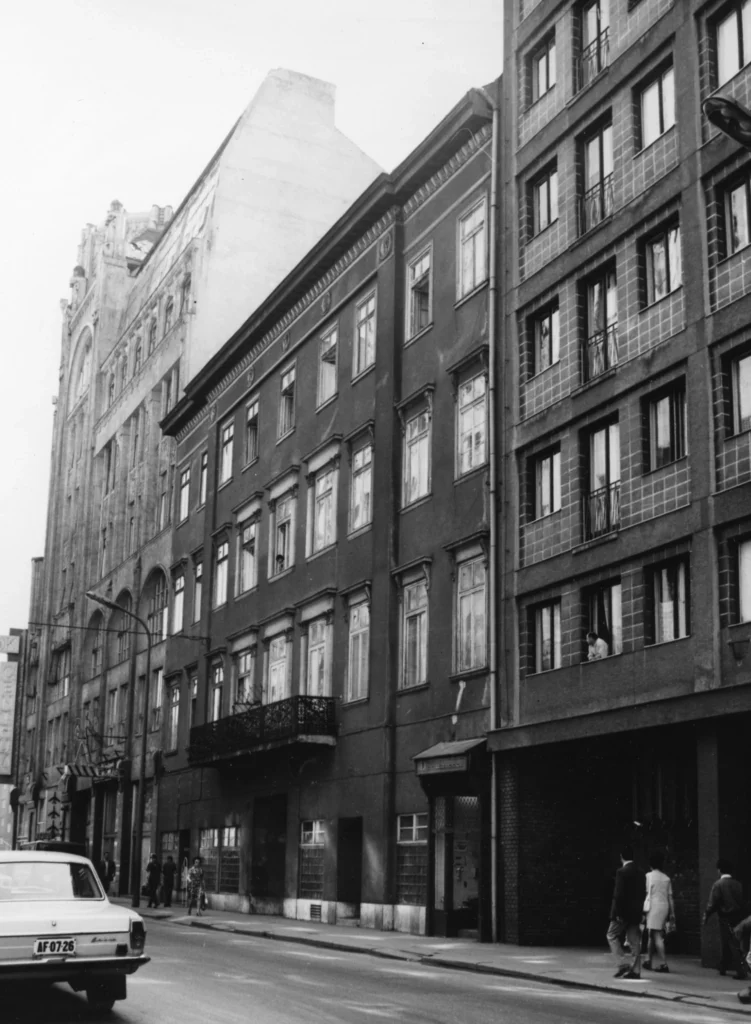
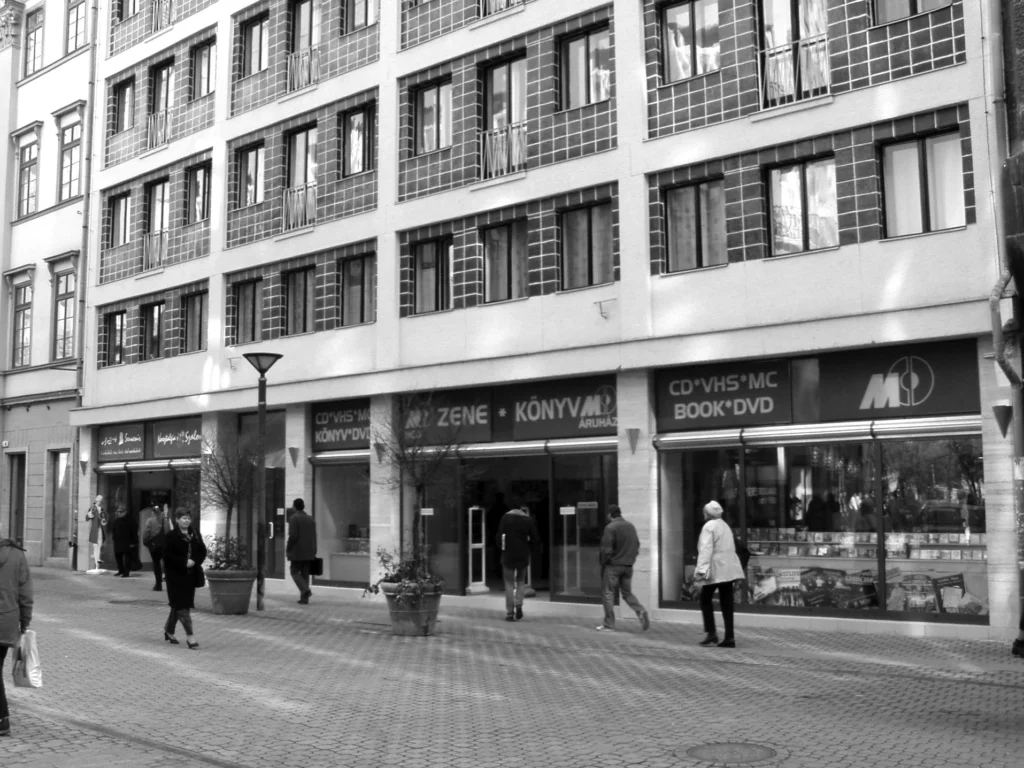
Deák Ferenc Street 19.
Year of construction: 1948
Designed by: –
Style: early modern
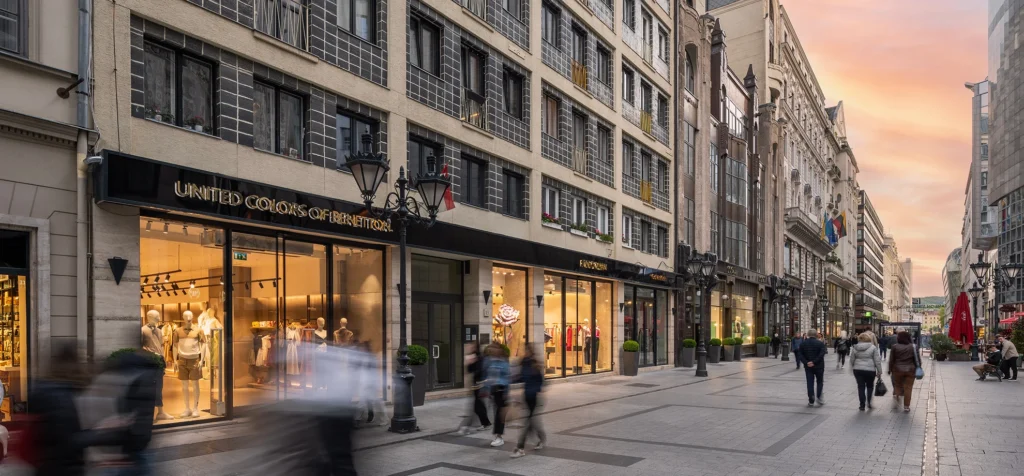
Current stores: Calvin Klein, Falconeri, Benetton
Before
The nine-storey residential building was commissioned by the Ministry of the Interior to house the middle managers of the Budapest Police after the Second World War. Beneath the inner courtyard, an underground garage was constructed – an advanced solution for its time – which was later transformed into retail units in 2003 by raising the floor level and converting the original vaulted structure.
Earlier the site was also home to Laczkó Mór’s well-known jewellery shop, an emblematic presence that contributed to the pre-war elegance of the street.
Now
Today, it hosts three internationally recognised fashion brands – Calvin Klein, Falconeri and Benetton – each adding its own distinct identity to Fashion Street.
Deák Ferenc Street 17.
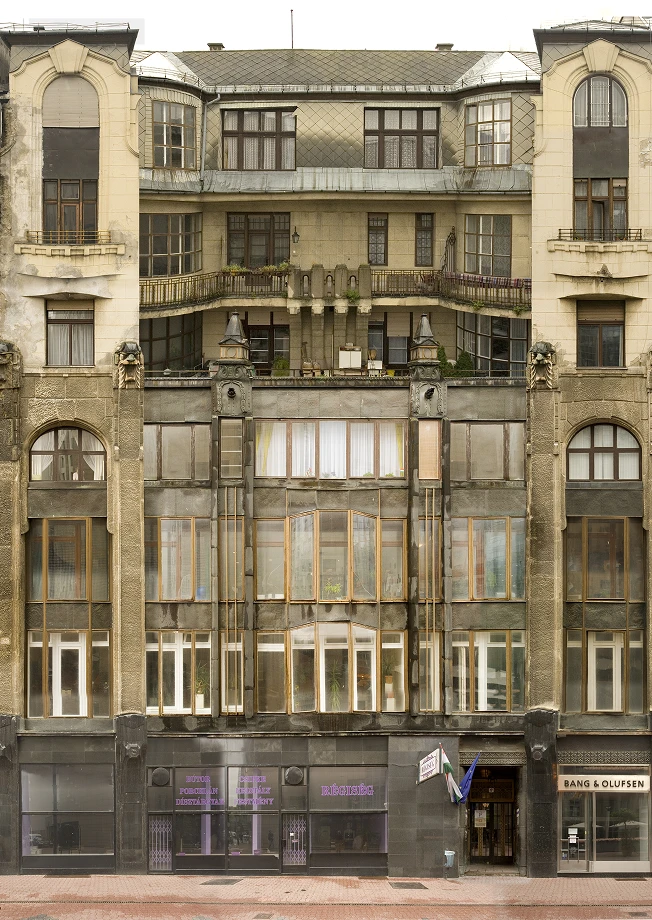
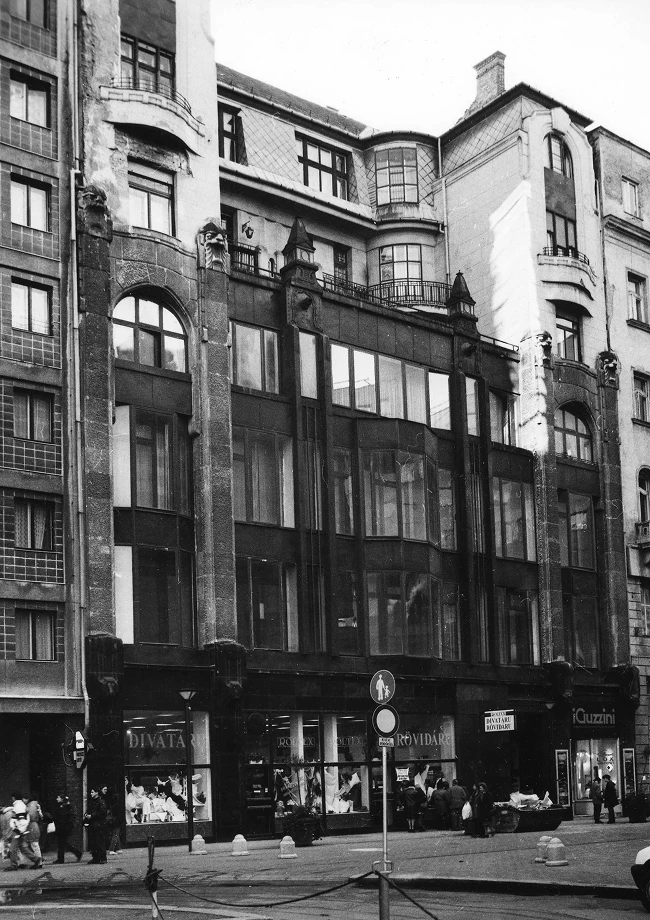
Years of construction: 1912-1913
Designed by: Sámuel Révész – Lajos Kollár / Lipót Horváth – Dezső Halom
Style: premodern
Current stores: COS, Helly Hansen, Trend Optika
Before
This premodern building was designed by the renowned architectural duo Sámuel Révész and Lajos Kollár. It replaced an elegant Zopf-style structure from the early 19th century, after Lipót Horváth and Dezső Halom commissioned the architects to create a modern solution suited to the evolving needs of the city. The building has been listed as a protected historical monument since 1976.
Now
Today, the property housessignature minimalistbrand COS and well-known outdoor brand Helly Hansen as well as a contemporary optic shop Trend Optika.
Deák Ferenc Street 15. – Deák Palace
Year of construction: 1900
Designed by: József Örömy (1899) János Molnár (1926) Arnold Bolgár (1934) János Ladó (1947)
Style: eclectic
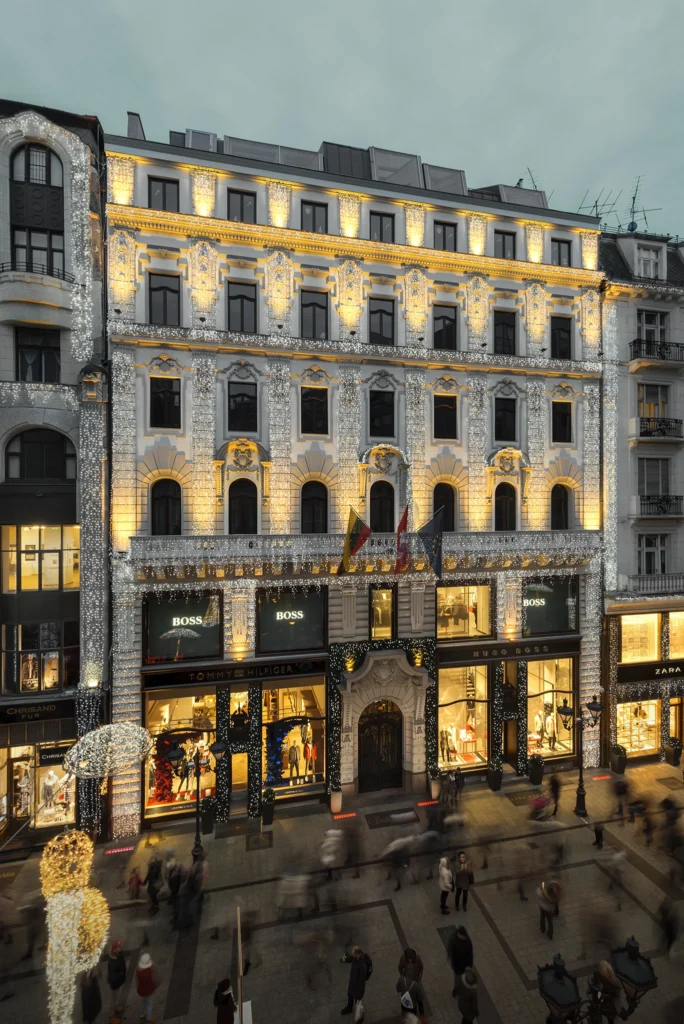
Current stores: Tommy Hilfiger, BOSS
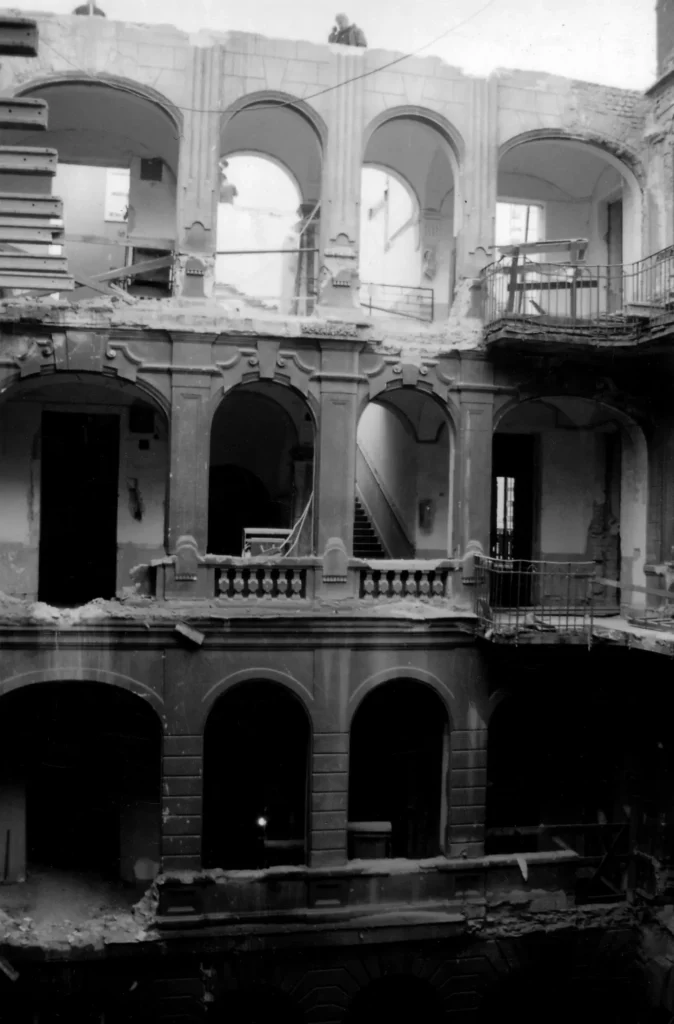
Before
The building is a striking example of eclectic architecture with a strong baroque influence. Originally a residential townhouse, it underwent a comprehensive renovation by ImmobiliaZrt. beginning in August 2003. By December 2004, the building had been reborn as a prestigious office center called Deák Palace, distinguished by its exceptional ceiling heights and a unique atmosphere, beingthe first fully restored property on Fashion Street.
The street-level shops benefit from ceilings approaching six meters and expansive 18-meter-wide façades that enhance their presence.
Now
Today, the building hostsBOSS and Tommy Hilfiger, a brand with modern tailoring and another with classic American style.
Deák Ferenc Street 11-13. / Bécsi Street 5.
Year of construction: 1911
Designed by: Izidor Sterk
Style: Art Nouveau
Current stores: Zara Home, Oysho, Massimo Dutti, Erste Bank
Before
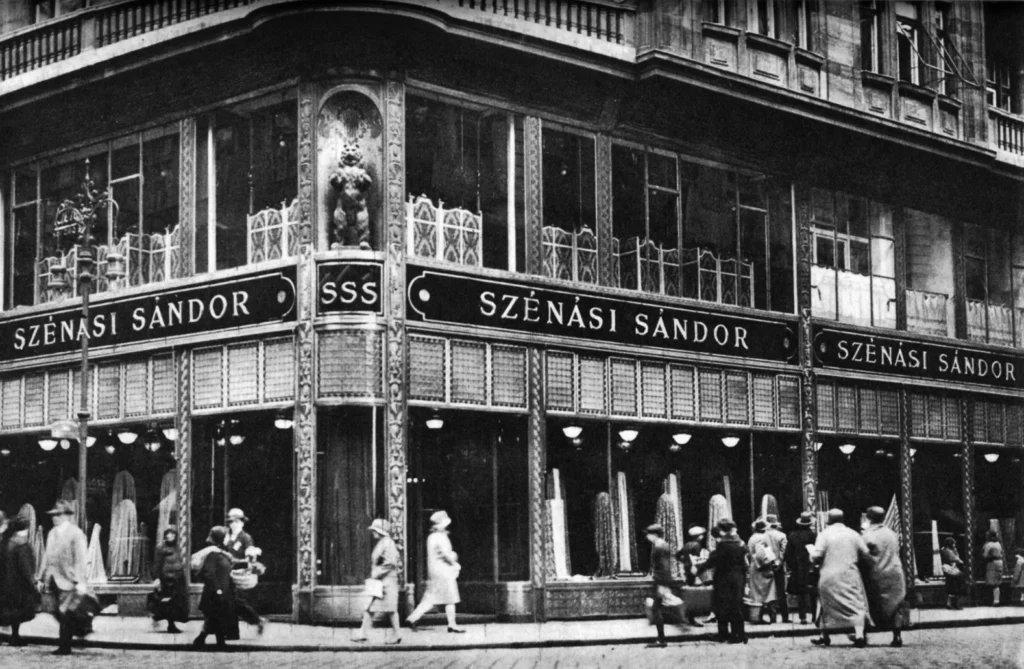
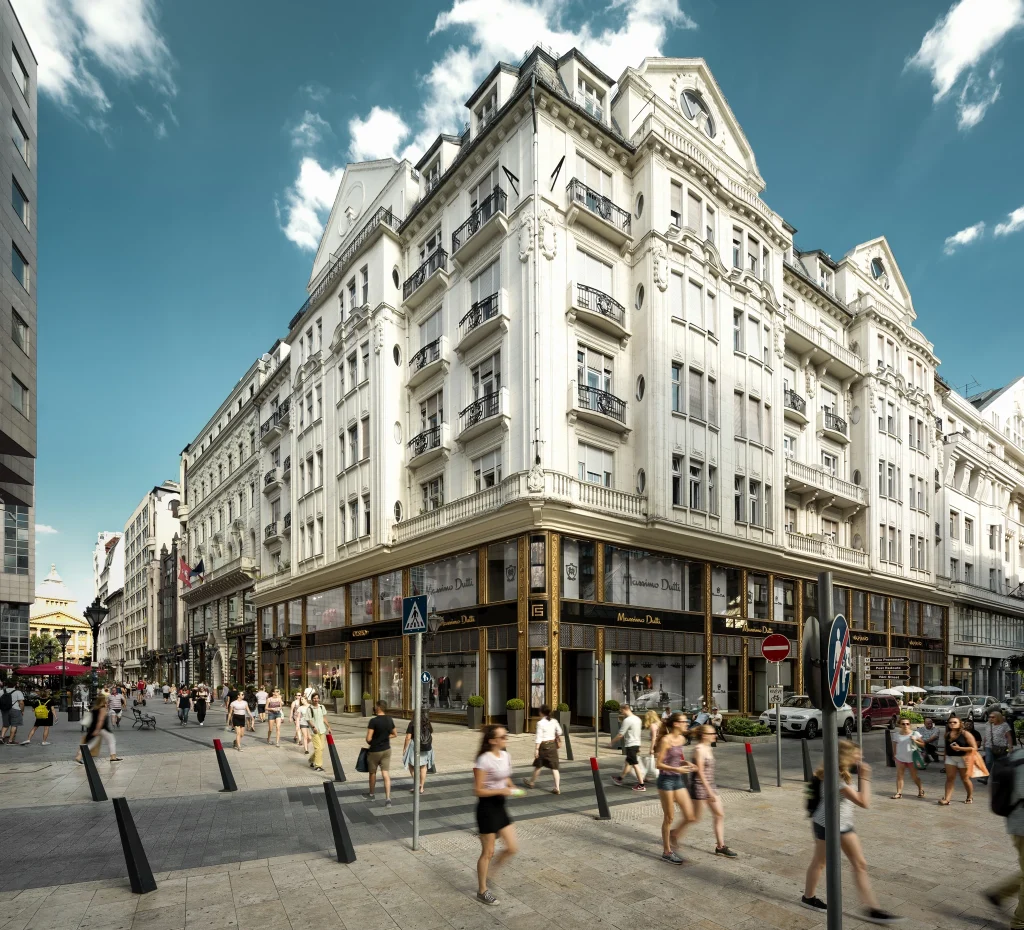
The five-storey, historically significant property originally formed part of the northernmost row of houses of the Old Town, established in the late 18th century along the line of the old city wall on the border of old Pest. Purchased by the Dán brothers, who ran a furrier business, the building was conceived as a “goods and rentals” structure, with the entire street level dedicated to commerce and the split (mezzanine) floors above used for residential purposes.
Now
Today, Zara Home, Oysho, Massimo Dutti,and Erste Bank are housed in the building, brands that bring a lively mix of lifestyle, elegant and stylish feature to the street.
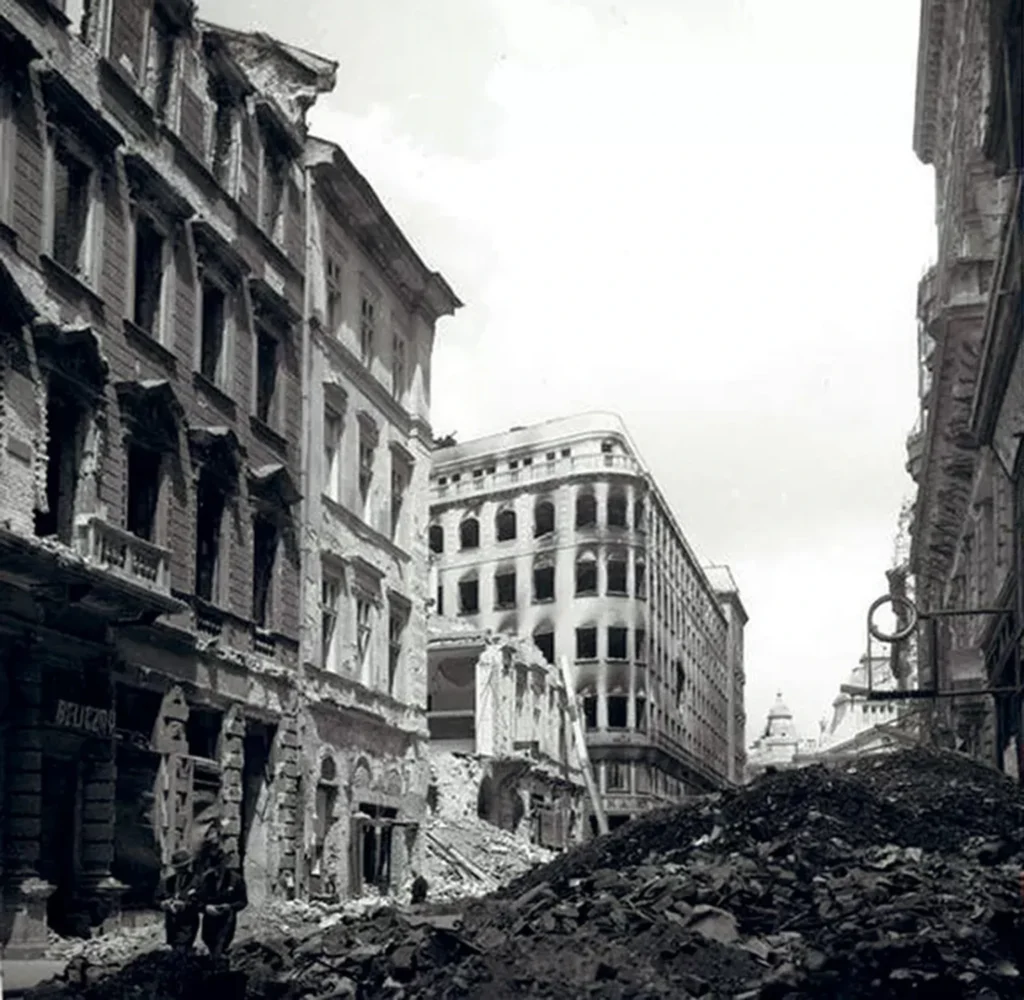
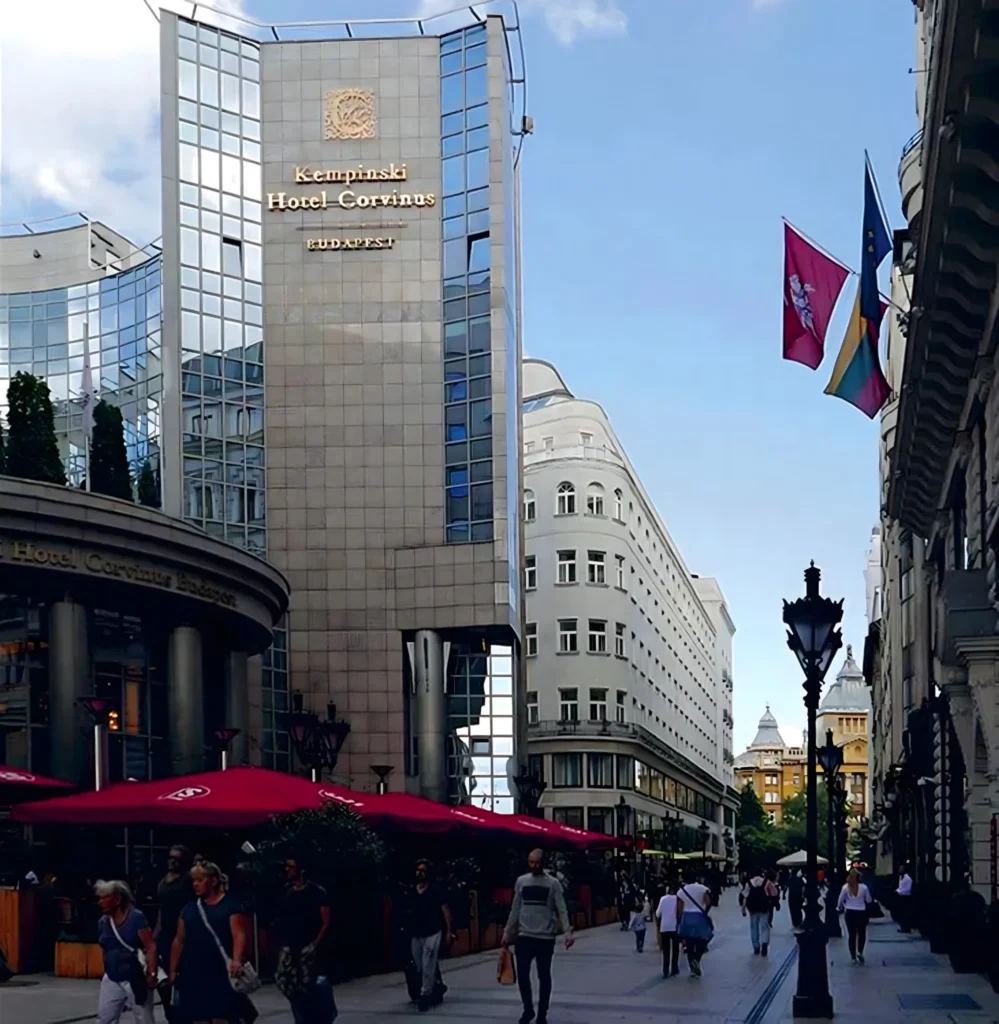
Kempinski Hotel Corvinus Budapest
Year of construction: 1990 – 1992 Designed by: Finta József Style: contemporary
The site was previously occupied by merchant houses, later served as a metro construction area, and subsequently functioned as a parking lot. The building is a full-service luxury hotel that blends contemporary design with Hungarian hospitality in an unbeatable city-center location, catering to both business and leisure travelers.
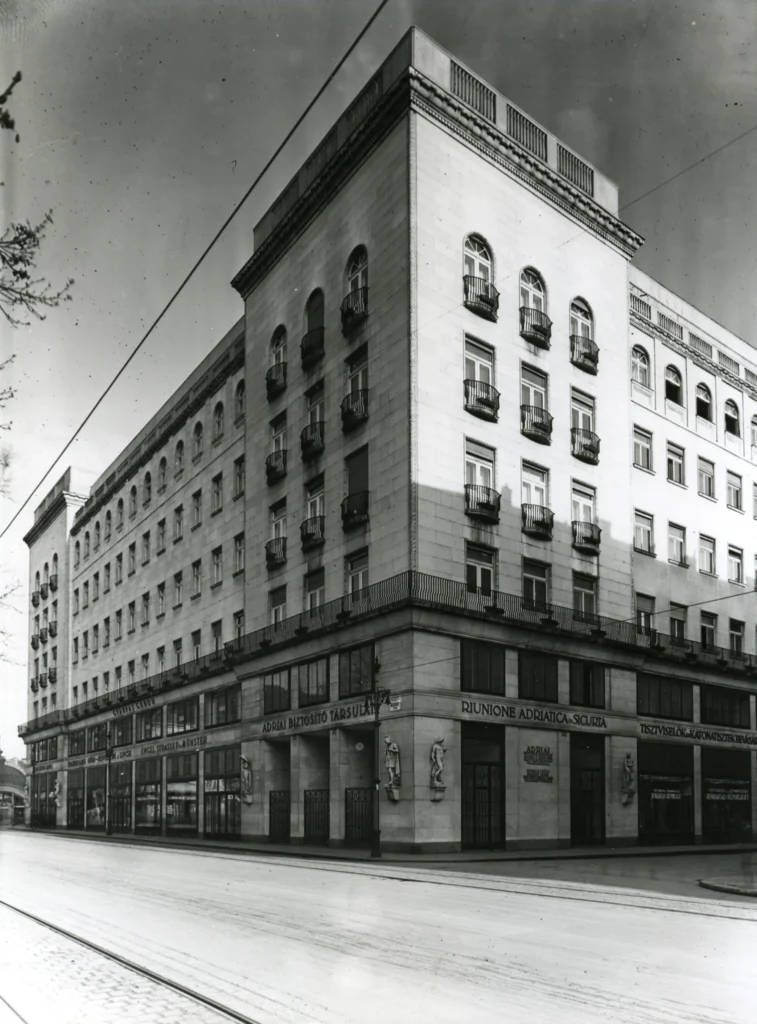
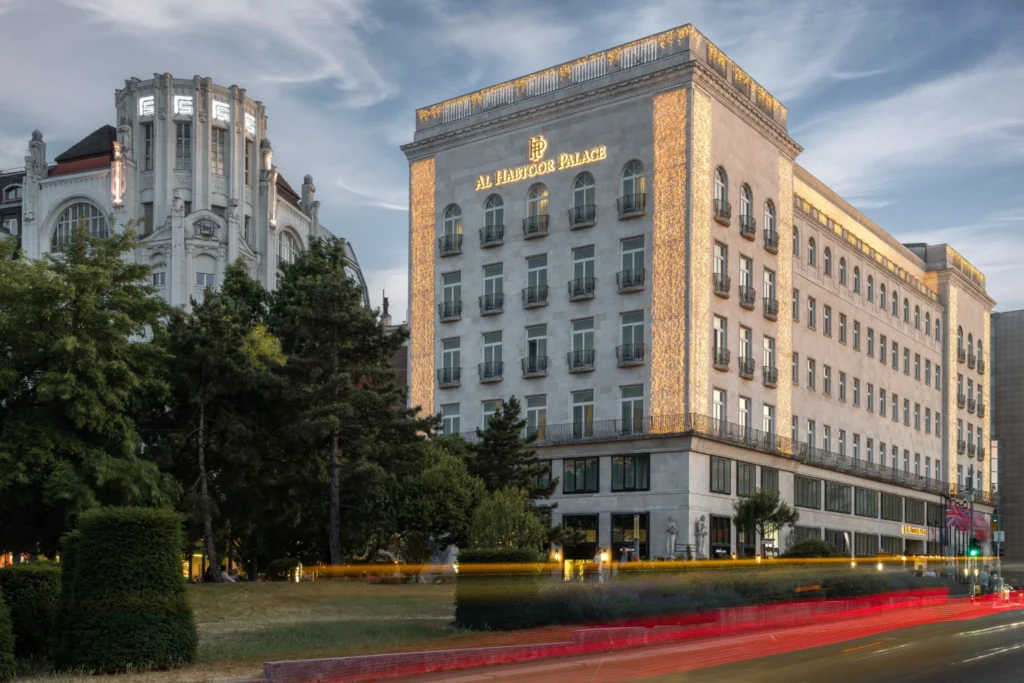
Al Habtoor Palace Budapest
Year of construction: 1912 – 1918 Designed by: Tőry Emil and Pogány Móric Style: Art Deco, Art Nouveau, early modern
Being the headquarters of the Adriatic Insurance Company, the Adria Palace later survived wartime destruction, served as Budapest Police Headquarters, and has operated as a hotel since 2000.
The site is a luxury hotel housed in a landmark historic palace in the heart of the city, seamlessly blending refined heritage with contemporary elegance and world-class hospitality.
Cookie Consent
We use cookies to improve your experience on our site. By using our site, you consent to cookies.
Cookie Preferences
Manage your cookie preferences below:
Essential cookies enable basic functions and are necessary for the proper function of the website.
Name
Description
Duration
Cookie Preferences
This cookie is used to store the user's cookie consent preferences.